Why Increasing Black Representation in Nursing Improves Patient Outcomes
- Black Representation in the Nursing Workforce
- Nursing Workforce Diversity Statistics
- How Representation Impacts Patient Outcomes
- Diversity in Nursing Teams Benefits Everyone
- Barriers to Representation
- Supporting the Future of Black Nurses
- Why This Matters for the Future of Healthcare
- Latest Articles & Guides
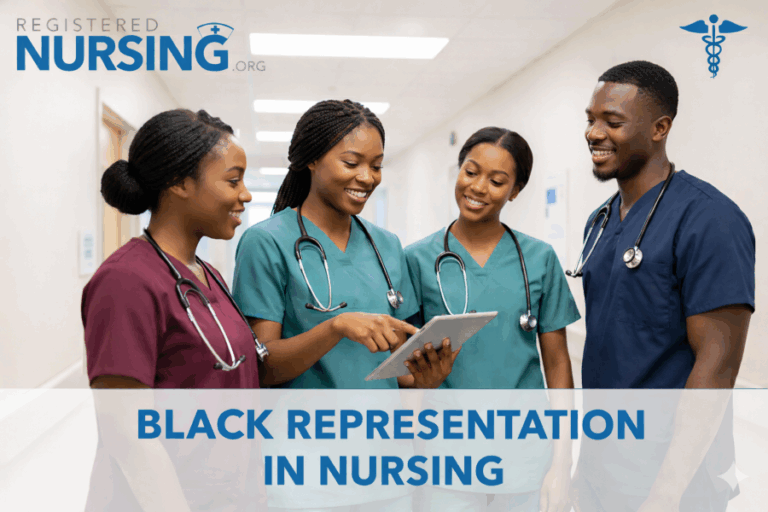
Healthcare in the United States serves one of the most diverse populations in the world, yet the nursing workforce has not always reflected that diversity. Increasing Black representation in nursing is more than a workforce issue; it is a patient care issue. Research consistently shows that diverse healthcare teams, including more Black nurses, can lead to better communication, improved trust, and stronger health outcomes for patients.
As the nation works to reduce healthcare disparities, representation in nursing plays a critical role in advancing equity and improving the quality of care delivered across communities.
Black Representation in the Nursing Workforce
Black or African American individuals make up a significant portion of the U.S. population, yet they remain underrepresented in many nursing roles, particularly advanced practice and leadership positions. While progress has been made over recent decades, disparities remain across:
This gap matters because nurses are often the primary point of patient interaction, responsible for assessment, education, advocacy, and care coordination.
Nursing Workforce Diversity Statistics
Understanding representation clarifies why increasing diversity in nursing is both a workforce and a patient care priority.
| Category | Percentage Black / African American | Comparison Point |
| U.S. Population | ~13% | National demographic baseline |
| Registered Nurses (RNs) | ~7–8% | Underrepresentation vs. population |
| Nurse Practitioners (NPs) | ~5–6% | Lower representation in advanced roles |
| Nursing Faculty | ~6% | Impacts mentorship and pipeline |
| Healthcare Executives | <10% | Leadership gap persists |
| Nursing Students (BSN level) | ~10–11% | Progress in education pipeline |
Key Insight: While progress is being made in nursing education, representation declines at advanced practice, faculty, and leadership levels, which can limit mentorship opportunities and influence on healthcare systems.
Why These Numbers Matter
These statistics illustrate that Black nurses remain underrepresented in roles that shape:
- Clinical decision-making
- Policy and systems leadership
- Nursing education and mentorship
Improving representation across these areas can enhance culturally competent care, improve communication, and strengthen trust between patients and healthcare providers.
Learn more about African-American nurses throughout history.
How Representation Impacts Patient Outcomes
1. Improved Patient Trust and Communication
Patients are more likely to feel comfortable, understood, and heard when they receive care from providers who share or understand their cultural background. Cultural familiarity can:
- Improve patient disclosure of symptoms
- Increase adherence to treatment plans
- Reduce misunderstandings related to health beliefs
For communities that have historically experienced discrimination or mistrust in healthcare, representation can be especially impactful.
2. Reduction in Health Disparities
Black Americans experience higher rates of certain chronic conditions and maternal health complications. Nurses play a key role in:
- Early detection of risk factors
- Patient education and disease prevention
- Care coordination
A diverse nursing workforce can bring broader cultural perspectives and lived experiences that help address social determinants of health more effectively.
3. Culturally Competent Care
Culturally competent care involves understanding how factors like culture, language, and socioeconomic conditions affect health. Black nurses contribute valuable insights that can help:
- Adapt care plans to patient realities
- Recognize bias in treatment approaches
- Advocate for equitable resource distribution
This leads to more personalized, effective healthcare delivery.
4. Stronger Community Engagement
Nurses often serve as bridges between healthcare systems and communities. Black nurses may be more likely to:
- Work in underserved areas
- Participate in community outreach
- Promote preventive health initiatives
Community-based engagement helps close gaps in access and education.
RELATED: Find an HBCU Nursing Program.
Diversity in Nursing Teams Benefits Everyone
The benefits of diversity extend beyond individual patient encounters. Healthcare teams with varied backgrounds often demonstrate:
- Better problem-solving and innovation
- Broader perspectives in clinical decision-making
- Improved workplace communication
A more inclusive workforce supports stronger institutions and better overall system performance.
Barriers to Representation
Despite its importance, several barriers affect Black representation in nursing:
- Financial barriers to education
- Limited mentorship opportunities
- Underrepresentation in faculty and leadership roles
- Systemic inequities in healthcare education access
Addressing these challenges requires institutional commitment, scholarship opportunities, and pipeline programs that support students from entry into nursing through advanced practice roles.
Supporting the Future of Black Nurses
Efforts to improve representation include:
- Diversity-focused nursing scholarships
- Mentorship programs for minority students
- Recruitment initiatives in underserved communities
- Inclusive admissions strategies
These initiatives help build a more representative workforce that ultimately benefits patient populations nationwide.
Why This Matters for the Future of Healthcare
As the U.S. population becomes increasingly diverse, healthcare systems must evolve to meet patient needs effectively. Increasing Black representation in nursing supports:
- Better patient-provider relationships
- Improved health literacy
- Greater equity in healthcare access
- Enhanced care quality across populations
Diversity in nursing is not merely a social goal; it is a clinical and public health priority.
Latest Articles & Guides
One of the keys to success as a registered nurse is embracing lifelong learning. Our articles and guides address hot topics and current events in nursing, from education to career mobility and beyond. No matter where you are on your nursing journey, there’s an article to help you build your knowledge base.
Browse our latest articles, curated specifically for modern nurses.